Credit & debt management
Scores and debt payoff strategies
Pro · Chapter 6
Chapter 6 is part of Pro
- A lesson on scores and debt payoff strategies, about 39 minutes to read.
- A quiz that checks it. Scoring 80% opens Chapter 7.
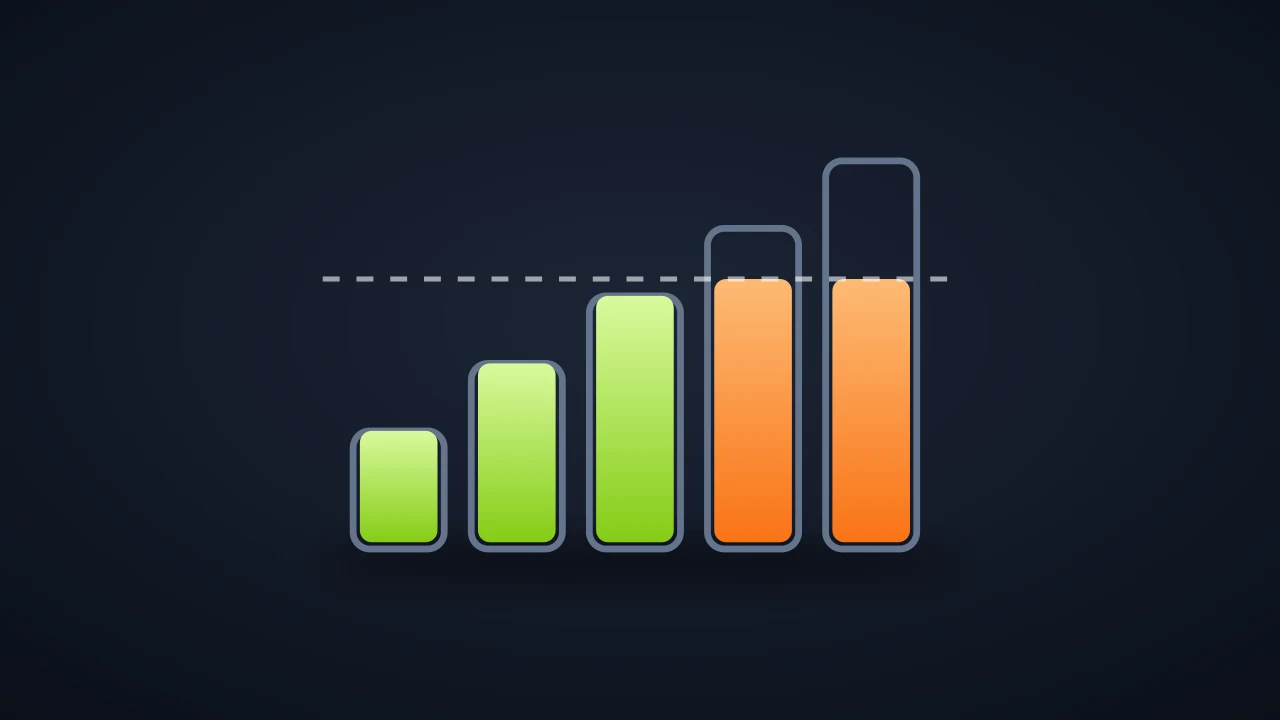
- A rule of thumb to check: Pay on time every month and keep card balances under about 30% of the limit, lower if you can.
Card required. Cancel before the trial ends and you pay nothing.
14 days free, then $9.99 a month.
Chapters 1 to 3 and every lab stay free.
The free emergency fund lab opens on the needs in your plan, and the free credit utilization lab on your savings. Pro adds the guided chapters, a guess-first question in each lesson (two in chapters 7 to 18), and the rows they add to Your plan.
What Pro includes
- Chapters 4 to 18: emergency funds, credit, investing, retirement, taxes, insurance, real estate, and estate planning
- A lesson, a lab, and a quiz in each chapter
- Your plan across all 18 chapters, a monthly check-in that saves a dated snapshot, a progress view against your goal, a printable copy, a debt-free tracker, and a bills and subscriptions audit
- An AI coach that reads your plan numbers and gives three money moves each month, with a higher daily limit
- Everything in Free, including sync and certificates
Read the first lesson section
Credit scores: what they estimate and what they do not
A credit score estimates repayment risk from credit-report information; it is not a measure of your worth or wealth. Lenders use different scoring models alongside income, debts, and other information. Better credit can improve borrowing terms, but no score guarantees approval, a rate, or a fixed dollar saving.
Key points
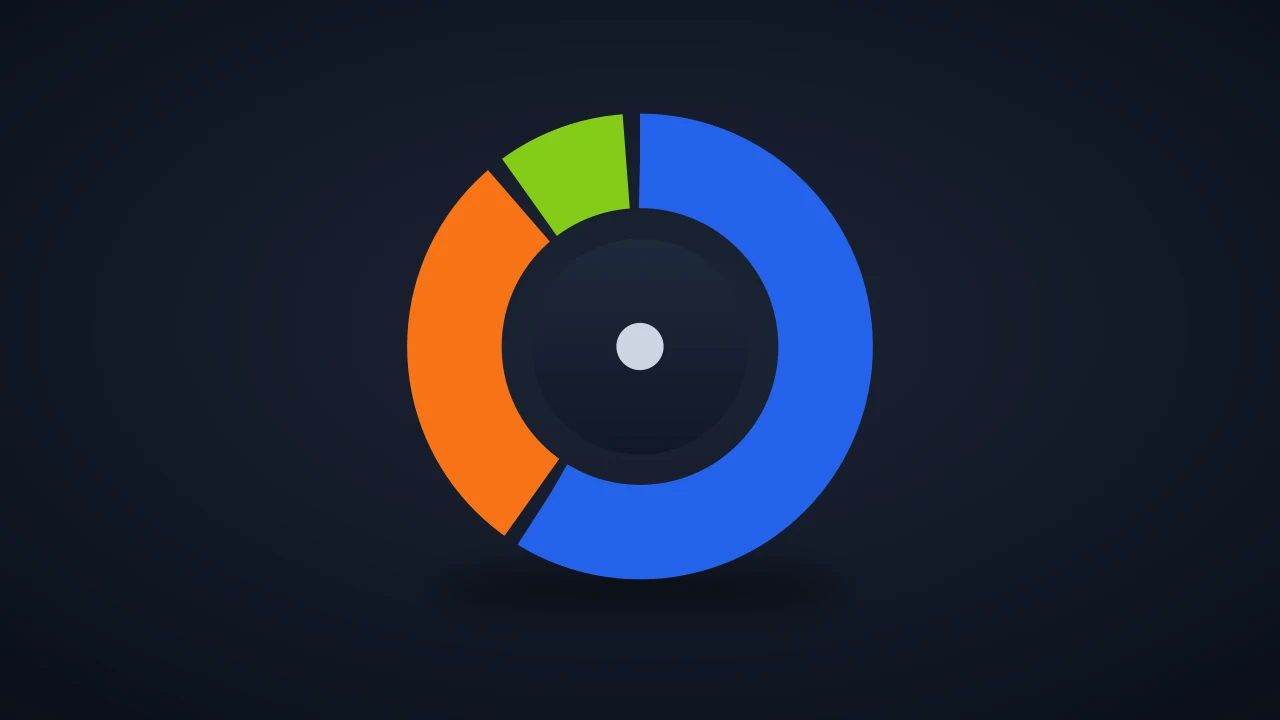
- FICO publishes approximate category weights: payment history 35%, amounts owed 30%, history length 15%, credit mix 10%, new credit 10%. Actual weights and other models differ
- Many scores range from 300 to 850; lenders set their own approval criteria
- Compare actual loan offers using APR, fees, term, and total repayment cost
- Reports and scores are different: review the underlying accounts for errors
- Checking your own report does not lower your score
Try one
A card has a $2,000 limit and an $800 reported balance. You pay $500 before the statement date. What utilization is reported after the payment?
Next in Pro

Chapter 7
Investing
Chapter 8
Portfolio

Chapter 9
Retirement
Chapter 10
Taxes
Not ready to upgrade?
Run the numbers on this topic in a free lab, without the chapter.
About this chapter
Credit & debt management. How credit scores work, what credit costs, and how to compare ways to pay down debt.